
Understanding Paint Sheens: Choosing the Right Finish for Your Richmond Home
Paint sheen tells us how much light a painted surface bounces back, and picking the right finish impacts how it looks, how tough it is, and how easy it is to keep clean over time. This guide breaks down paint finish types—from flat and matte all the way up to eggshell, satin, semi-gloss, and high-gloss. We’ll cover why sheen matters for hiding little flaws or standing up to scrubbing, and how these choices fit with different rooms and outdoor conditions here in Virginia. Homeowners often wrestle with balancing looks versus practicality: a low-sheen matte finish can hide surface texture, while a glossier finish makes cleaning a breeze. This article gives you clear definitions, room-by-room suggestions, handy maintenance tips, and a peek at 2025 trends for Virginia homes. We’ll also explore how reflectivity affects how paint handles UV rays and moisture. You’ll find comparison charts that sum up reflectivity, durability, and washability for each sheen, quick-scan lists for easy recommendations, and local advice, including how Fix & Paint can offer personalized consultations and free estimates. Keep reading for practical steps to match your paint sheen to its job, your style, and the unique climate of Richmond and nearby areas.
What Are Paint Sheens and Why Do They Matter?
Paint sheens are basically how much shine a painted surface has, measured from low to high gloss. They change how we see color and texture. It’s simple: more sheen means more light reflection, making colors look brighter and surfaces easier to wipe down, but it also highlights any bumps or repairs. The real benefit of picking the right sheen is that it lines up your visual goals with your durability needs—choosing a sheen that fits the room’s traffic and light exposure means less repainting and surfaces that look great longer. Getting a handle on sheen is your first step before picking out finishes for walls, trim, or cabinets. The next sections will define sheen, dive into how it affects looks and durability, look at what’s popular locally in Virginia homes, and explain how sheen plays a role with wall imperfections.
What Is a Paint Sheen?
Paint sheen is the level of shine a paint surface has once it’s dry, measured on a scale from flat/matte (hardly any shine) to high-gloss (very shiny). This works because of how light bounces off the tiny binder and pigment particles in the paint—smoother surfaces reflect more light, making them look glossier. The practical upside is clear: sheen isn’t color, but it changes how we perceive hue and texture, so the same color can look deeper with a higher sheen. Think of everyday examples: matte finishes look like chalkboards, while high-gloss is like polished ceramic. Knowing this difference helps homeowners choose sheens that match both their design ideas and what the surface needs to do.
How Do Paint Sheens Affect Appearance and Durability?
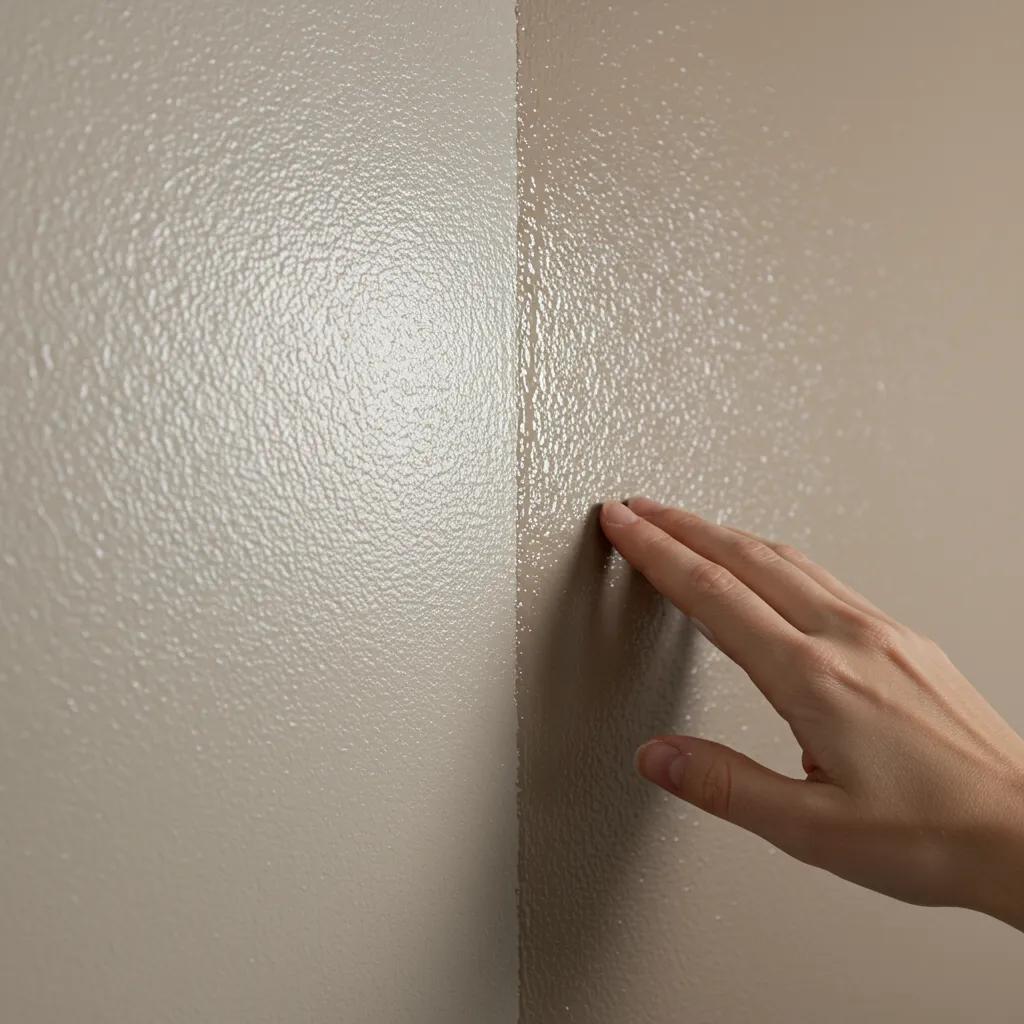
Higher sheen levels mean more light reflection, making colors pop and surfaces look cleaner, while also showing off any bumps, texture, or brush strokes. Mechanically, the smoother surface of higher sheen finishes resists scratches and makes it easier to wipe away stains gently, so durability goes up with sheen. The catch is that glossy surfaces demand perfect prep work—sanding and priming—to avoid highlighting imperfections; lower sheens hide flaws but aren’t as easy to wash. For practical results, choose your sheen based on whether looks or maintenance are more important, and plan your prep work accordingly to get the performance you expect. This balance between appearance and longevity leads us to what Virginia homeowners are currently preferring.
Which Paint Sheens Are Most Popular in Richmond, VA Homes?
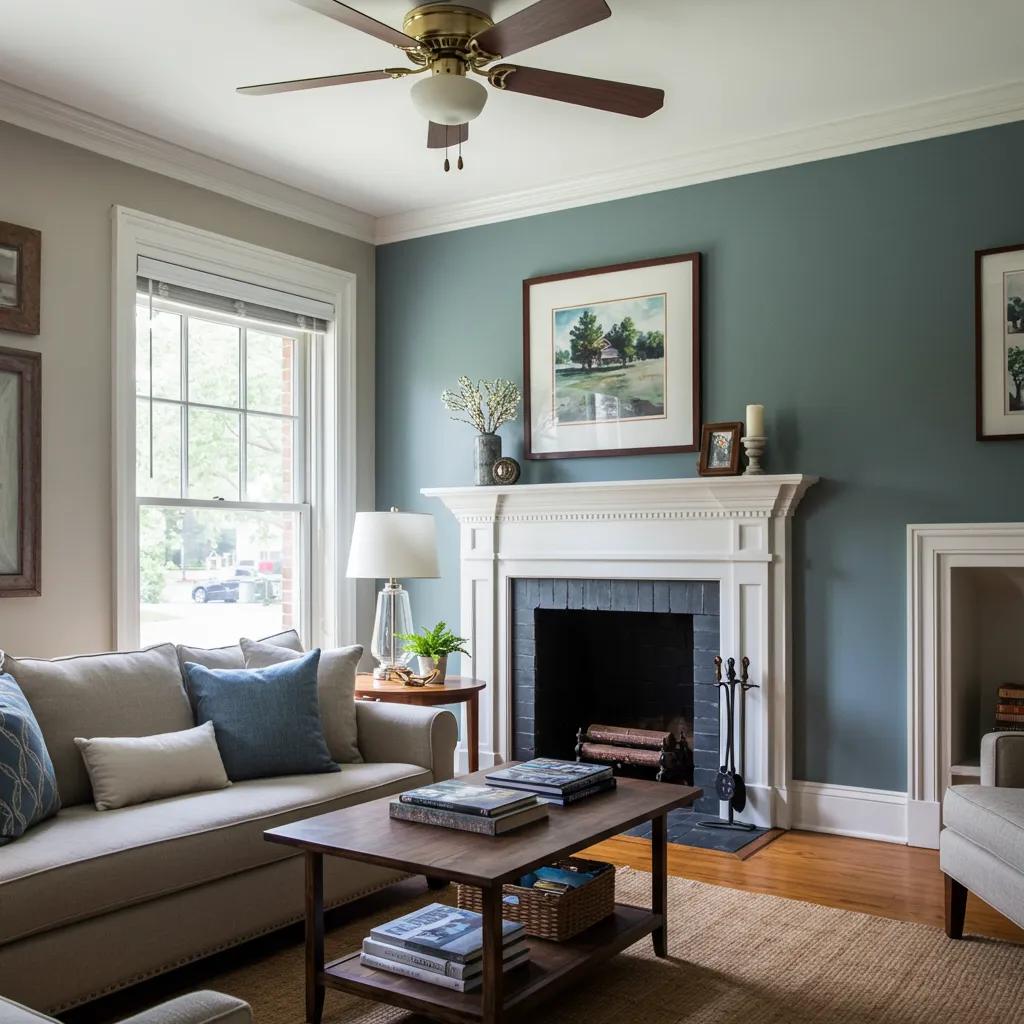
In Virginia homes, especially around Richmond and its suburbs, homeowners lean towards low-to-medium sheens—matte, eggshell, and satin—for walls. They offer a cozy, modern look and are good at hiding minor texture. At the same time, there’s a local trend bringing back satin and higher glosses for trim and cabinets to create sharp contrast and boost durability in high-use spots. Warm neutrals and bold accent walls paired with satin or semi-gloss trim are common choices in 2025, reflecting both style preferences and practical cleaning needs. These local tastes guide our room-by-room suggestions and lead into our next topic: how sheen reveals or hides wall imperfections.
How Does Paint Sheen Influence Wall Imperfections?
Lower sheens like flat and matte scatter light in all directions, so surface bumps, tiny cracks, and roller marks are harder to see, making them perfect for older walls or textured surfaces. Higher sheens focus light reflection, which makes bumps, patched areas, and substrate flaws stand out. This means using satin, semi-gloss, or high-gloss usually requires much more careful surface prep. Practical fixes include filling, sanding, and priming before applying a higher sheen, or opting for eggshell to balance hiding flaws with washability. When looking at a wall, first check how imperfect it is—if there are cosmetic flaws, start with fixing them or choose a lower sheen to make them less noticeable.
What Are the Different Types of Paint Finishes?
Different paint finishes offer distinct trade-offs between how much they reflect light, how durable they are, and the aesthetic effect they create, so a direct comparison helps homeowners decide quickly. This section covers each common sheen—flat/matte, eggshell, satin, semi-gloss, high-gloss—and touches on textured or specialty finishes that are trending in 2025. Understanding the core features of each sheen makes choosing for walls, trim, cabinets, and exteriors much simpler. The following subsections break down characteristics, uses, and maintenance tips, and a comparison table summarizes reflectivity, durability, and washability for quick reference.
What Are Flat and Matte Paint Finishes?
Flat and matte finishes have very low reflectivity and are excellent at hiding surface imperfections; they create a velvety, uniform look that’s great for ceilings, low-traffic rooms, and some feature walls. The reason they hide flaws so well is that they scatter light diffusely from their irregular surface texture, which reduces bright spots. The downside is limited washability—scrubbing too hard can remove paint or change the sheen—so use flat/matte where cleaning isn’t a big concern or where touch-ups are okay. Maintenance tips include spot priming before repainting and cleaning gently with a soft cloth and mild soap. Knowing these limits helps you decide when a slightly higher sheen might be more practical.
How Do Eggshell and Satin Paint Finishes Compare?
Eggshell and satin are medium-sheen options that strike a balance between a soft look and better durability; eggshell leans towards a low luster, while satin offers a smoother, more washable surface. Eggshell hides minor texture better than satin, making it a popular choice for living rooms and bedrooms where appearance is key. Satin offers more resistance to scuffs and makes cleaning easier, so it’s often chosen for hallways, family rooms, or kitchens that don’t get heavy use. When choosing, go with eggshell if hiding imperfections is your priority, and satin if you expect more wear or need easier maintenance.
When Should You Use Semi-Gloss and High-Gloss Paint Finishes?
Semi-gloss and high-gloss finishes provide high reflectivity, exceptional washability, and superior resistance to scuffs, which is why they’re the top choice for trim, doors, cabinets, and areas with high moisture. Their smooth, reflective films resist stains and allow for frequent cleaning without dulling, but they also magnify any surface flaws and require meticulous prep—sanding, priming, and smoothing—to achieve a flawless look. Use these sheens where durability and cleanability are more important than the risk of showing imperfections, and consider professional application techniques for the best results on cabinets and millwork. Proper surface prep ensures the sheen performs as intended.
What Are Textured and Specialty Paint Finishes Trending in 2025?
Textured and specialty finishes like limewash, Venetian plaster, and subtle additive textures add tactile depth and architectural character to feature walls and unique interiors. The idea is purposeful surface variation—texture creates shadow and depth while breaking up the uniform look of smooth paints. These finishes are trending in 2025 for homeowners looking for personalized surfaces that stand out from standard flat or satin walls; however, they can be trickier to repair and might limit easy color changes later. Use textured finishes selectively on focal walls or in commercial spaces where impact is more important than repeatability.
Different sheen types offer varying levels of reflectivity, durability, and washability; the table below summarizes their core features to help you choose quickly.
How to Choose the Best Paint Sheen for Each Room?

Choose your paint sheen by matching room characteristics—like traffic, moisture, and light exposure—to the finish’s performance: use low sheen for low traffic or ceilings, medium for living areas, and higher sheen for wet or high-touch spots. The logic is simple: durability and washability needs increase with traffic and moisture, so your sheen should scale up accordingly. The payoff is less maintenance, longer intervals between repaints, and a finish that meets both your aesthetic and practical needs. Below is a room guide and specific suggestions to help homeowners make room-by-room decisions; after these practical tips, see how Fix & Paint can provide personalized on-site advice and a free estimate.
Which Paint Sheen Is Best for Living Rooms and Bedrooms?
For living rooms and bedrooms, eggshell or satin usually offers the best mix of a soft, modern look and decent durability for everyday wear and tear. Eggshell provides a subtle low-luster finish that hides minor imperfections, while satin is a better choice when families want more washability for occasional marks. Light levels affect how sheen looks—bright, sunny rooms can make a satin finish appear glossier, so always test samples in different lighting. If you’re using artistic finishes or deep, moody colors, match the sheen to the desired visual depth rather than sticking to a single standard.
What Paint Sheen Works Best in Kitchens and Bathrooms?
Kitchens and bathrooms need moisture resistance and frequent cleaning, so semi-gloss or satin on walls and high-gloss on cabinets and trim are often recommended. The reason is that higher sheen films repel moisture and allow grease or soap scum to be wiped away without damaging the paint. Make sure there’s good ventilation and proper surface prep (priming, using mildew-resistant primers where needed) to ensure the paint lasts. For cabinets, consider high-gloss or professional cabinet paint systems for a combination of durability and a polished look.
How to Select Paint Sheen for Ceilings and Low-Traffic Areas?
Ceilings and low-traffic spaces benefit from flat or matte sheens to minimize glare and hide seams or slight texture variations. The low reflectivity reduces visual distraction and creates a smooth overhead plane that complements wall colors. Exceptions include rooms where ceilings might get splattered or have higher exposure—those might call for an eggshell finish for easier cleaning. When in doubt, test a sample on the ceiling to make sure it hides imperfections while creating the ambiance you want.
What Are the Best Paint Sheens for Trim, Doors, and Cabinets?
Trim, doors, and cabinets hold up best with semi-gloss or high-gloss finishes because these surfaces get touched often and resist scuffs from contact. The idea is to create a smooth, hard film that can be wiped down and looks good again quickly after cleaning. Prioritize careful sanding, priming, and multiple thin coats to get a smooth finish—poor prep will be obvious with these sheens. Color and sheen pairing is important: a higher sheen on trim against a low-sheen wall creates a sharp contrast and defines architectural lines effectively.
How Does Virginia’s Climate Affect Exterior Paint Sheen Choices?
Virginia’s climate—with humid summers, changing temperatures, and sun exposure—calls for exterior sheens and formulas that focus on moisture resistance, UV stability, and flexible film performance. Semi-gloss or exterior-specific sheens on trim and siding offer a good balance between longevity and washability, while flatter exterior finishes might be used on large wall areas to hide minor surface flaws. Regular maintenance, including inspections, gentle cleaning, and timely touch-ups, extends the life of the paint in this regional environment. Consider breathable coatings for older masonry and paints with proven exterior durability where sun and humidity fluctuate.
Below is a table that helps you decide which sheen to use for each room based on its key features and the reasoning behind the recommendation.
This room guide explains how traffic, moisture, and light influence sheen selection and why certain finishes work better in their specific applications.
After considering your room’s needs, homeowners looking for personalized advice can consult local experts who test samples on-site and adjust recommendations based on actual lighting and surface conditions. Fix & Paint offers room-by-room suggestions and free estimates for homeowners who want help choosing the perfect sheen, with services that include Residential Painting, Cabinet Painting, Trim Painting, Exterior Painting, Carpentry, and Home Repair.
What Are the Pros and Cons of Each Paint Sheen?
Each sheen comes with clear advantages and disadvantages related to reflectivity, durability, and maintenance; weighing these helps you prioritize between your aesthetic goals and practical longevity. The logic is simple: higher sheen means easier cleaning and longer life but less ability to hide surface flaws. The benefit of understanding the pros and cons is making a smart choice that minimizes future work and matches your lifestyle demands. The following subsections list the pros and cons for each sheen group and summarize how maintenance and longevity are affected.
What Are the Advantages and Disadvantages of Flat and Matte Finishes?
Flat and matte finishes offer a velvety look that hides wall imperfections and softens light, making them ideal for ceilings and low-traffic interiors. Their advantages include excellent hiding power and a modern, non-reflective appearance; their disadvantages are lower washability and more noticeable touch-ups over time. Practical advice is to reserve flat/matte for rooms with minimal contact and to prep problematic surfaces with stain-blocking primers. When cleaning is necessary, use a very gentle approach to avoid changing the finish.
What Are the Benefits and Drawbacks of Eggshell and Satin Finishes?
Eggshell and satin provide a middle ground: eggshell focuses on hiding flaws with a subtle sheen, while satin offers a smoother look and better resistance to cleaning. Their benefits include versatility across living areas and hallways; their drawbacks are that neither matches the toughness of semi-gloss for heavily used areas. Choose eggshell if you prioritize aesthetics and satin if you need occasional wiping and higher resilience. Both respond well to regular maintenance when cleaned with mild detergents.
Why Choose Semi-Gloss or High-Gloss Paint?
Semi-gloss and high-gloss finishes are chosen for their superior durability, stain resistance, and crisp, defined look on trim and cabinetry. Their advantages include ease of cleaning and long wear in high-touch areas; their disadvantages are the high reflectivity that highlights flaws and requires expert prep. Use these sheens where longevity and cleanability are top priorities and consider professional surface prep if your budget allows. Their ability to withstand regular maintenance is a major practical plus.
How Do Paint Sheens Impact Maintenance and Longevity?
Generally, higher sheen means easier cleaning and a longer-lasting appearance in high-traffic areas, while lower sheen requires less cosmetic prep but might need repainting sooner in some cases. Maintenance routines differ: high-gloss surfaces can handle frequent wiping, whereas matte walls should be spot-cleaned gently and repainted sooner after wear. Set up a maintenance checklist—regular gentle cleaning, touching up scuffs, and scheduled inspections—to extend the life of your finish. Knowing the maintenance demands upfront reduces surprises and supports cost-effective upkeep.
A quick bulleted list highlights the pros and cons across the main sheens for fast reference.
- Flat/Matte: hides imperfections but low washability.
- Eggshell/Satin: balanced aesthetics and wear resistance; choose based on desired concealment vs cleanability.
- Semi-Gloss/High-Gloss: excellent durability and cleaning; requires meticulous prep.
This summary helps you decide which trade-offs are most important for each project.
How Does Paint Sheen Affect Paint Finish Durability and Washability?
Sheen is strongly linked to durability and washability because the smoothness of the film and the amount of binder determine how well a surface resists abrasion and stains. The science behind it: higher sheen films are denser and less porous, so they repel dirt and resist scuffs more effectively. The clear benefit is that choosing a higher sheen for high-traffic areas means less frequent repainting and simpler cleaning routines. Below, we cover recommended sheens for high-traffic areas, a washability ranking, an explanation of how reflectivity affects longevity, and maintenance tips to help you extend the life of your finish.
Which Paint Sheens Offer the Best Durability for High-Traffic Areas?
Satin, semi-gloss, and high-gloss finishes offer the best durability for hallways, kids’ playrooms, and commercial spaces because their films resist abrasion and hold up to routine cleaning. The reason is the tighter pigment/binder mix and smoother surface that reduce mechanical wear and stain penetration. For very heavy wear, specify commercial-grade paints or finishes with higher binder content to further extend their lifespan. Proper surface prep—priming, filling, and sanding—ensures the sheen performs at its rated durability.
What Paint Finishes Are Easiest to Clean?
High-gloss and semi-gloss are at the top of the washability list, followed by satin; eggshell and matte are more delicate and require careful spot cleaning. Cleaning methods should start mild—use a soft cloth, warm water, and mild detergent—and only escalate if necessary to avoid changing the sheen. Avoid abrasive pads and harsh solvents, which can damage the finish. For tough marks, test your cleaning method in an inconspicuous spot first to make sure the sheen doesn’t change before cleaning the whole area.
How Does Reflectivity Influence Paint Longevity?
Reflectivity affects UV absorption and how wear is perceived: higher reflectivity can reduce heat absorption on exterior surfaces, which in some conditions lessens thermal stress, but it also makes surface aging more visible. For exteriors, balance sheen with UV-resistant formulas to slow down fading and chalking. Interior longevity is similarly affected by how well a sheen hides or shows micro-scratches; choosing the right sheen reduces the appearance of aging and keeps rooms looking well-maintained for longer.
How to Maintain Different Paint Sheens for Long-Lasting Results?
Maintenance varies by sheen: schedule gentle dusting and spot cleaning monthly for surfaces that are touched often, and annual inspections for wear and touch-ups in moderate-use areas. For high-gloss and semi-gloss, use a soft sponge and mild cleaner, rinse well, and avoid strong solvents. For flat or matte finishes, limit cleaning to avoid changing the texture and opt for touch-up painting instead of aggressive scrubbing. When repairs are needed, blend new paint carefully and feather the edges to match the sheen, or consult professionals when matching color and sheen is critical.
This maintenance guide clarifies how upkeep intensity scales with sheen and helps you plan for long-term costs.
What Are the Latest Paint Sheen Trends for 2025 in Virginia?
2025 paint trends in Virginia blend warm neutrals and deep, moody colors with smart sheen pairings, a renewed interest in high-gloss accents, and a growing adoption of eco-friendly formulas and AR visualization tools. The forces behind these trends include better paint technologies that reduce VOCs while improving film performance, plus design movements favoring contrast between low-sheen walls and glossy trim or cabinets. The benefit for homeowners is the ability to achieve both expressive color palettes and durable finishes that align with sustainability goals. Below, we explore trend details, reasons for the high-gloss comeback, environmental considerations, and the use of AR, along with how local projects showcase these directions.
Which Colors and Sheens Are Trending in Virginia Homes?
Warm earthy neutrals, deep moody greens, and subtle clay tones are pairing well with satin or semi-gloss trim to create modern yet timeless interiors in Virginia. The idea is visual layering: muted wall colors in low-sheen provide depth, while slightly higher sheen on trim and cabinets adds crispness and a custom feel. Homeowners are using sheen contrast to highlight architectural details and make cabinets stand out against calm wall colors. Test samples in natural and artificial light to confirm the final look before committing to full coats.
Why Are High-Gloss and Satin Finishes Making a Comeback?
High-gloss and satin finishes are making a comeback because modern formulas improve flow and reduce texture issues like orange peel, allowing glossy treatments on cabinets and trim that look elegant rather than mass-produced. Functionally, these sheens offer superior cleanability and a bold aesthetic that pairs well with moody color schemes. Advances in paint technology also mean fewer coats are needed for full coverage, reducing job time and improving finish consistency. As homeowners increasingly prioritize both looks and resilience, satin and gloss are finding renewed popularity in 2025 projects.
How Are Eco-Friendly Paint Sheens Influencing Choices?
Eco-friendly, low-VOC paints are becoming more widely available in a variety of sheens, allowing homeowners to choose sustainable options without sacrificing durability or finish quality. The reason is formulation improvements that replace traditional solvents with safer carriers while maintaining binder performance. Certifications and product labels help guide selection; potential trade-offs might include slightly different drying times or finish feel, so testing samples is important. Choosing low-VOC options supports better indoor air quality while allowing you to use the same sheen choices as with conventional paints.
What Role Do Personalization and AR Tools Play in Sheen Selection?
AR visualization tools and in-home samples help reduce uncertainty by showing how color and sheen will look in real spaces and lighting conditions before you commit to painting. The process involves simulated rendering combined with on-site sampling; the benefit is fewer surprises and higher homeowner satisfaction. Best practice includes testing physical swatches in different lighting conditions in key areas, even when using AR tools. For homeowners who want in-person confirmation, local professionals can apply test patches to verify how the sheen will look under actual lighting.
Fix & Paint features recent local projects that showcase 2025 sheen and color trends in Virginia—examples include contrasting satin trim with matte walls and high-gloss cabinet finishes in upscale kitchens—available for viewing in their local project galleries. Fix & Paint’s work in Richmond and surrounding areas demonstrates how sheen choices translate to real properties, especially for Cabinet Painting, Trim Painting, and Residential Painting projects.
How Can Fix & Paint Help You Choose and Apply the Right Paint Sheen?
Fix & Paint offers local consultations, expert application, and project completion tailored for Virginia homes, combining services that cover advice, application, and repair work. Their approach involves an on-site assessment to evaluate light, surface conditions, and room use, followed by sample application and a recommended sheen plan. The benefit for homeowners is personalized, practical guidance that minimizes rework and aligns finish selection with both aesthetic and maintenance goals. The following subsections detail Fix & Paint’s expertise, quality control measures, examples of local projects, and how to request a free estimate.
What Expertise Does Fix & Paint Offer in Paint Sheen Consultation?
Fix & Paint conducts on-site assessments that consider lighting, wall condition, and how a room is used to recommend sheens that balance appearance and longevity for each space. Their process includes applying small test patches to see how the sheen looks under real light and traffic conditions, ensuring the recommendation matches homeowner priorities. As a lead generation and information hub with a regional reputation serving Richmond and nearby communities, they tailor advice for local climate factors. This local knowledge helps homeowners select sheens that perform well in Virginia’s humidity and seasonal changes.
How Does Fix & Paint Ensure Quality Application of Different Sheens?
Fix & Paint follows a precise prep process—cleaning surfaces, filling, sanding, and priming—so that higher sheens create smooth, durable films without highlighting flaws. Their crews are background-checked, and the company emphasizes on-time delivery and thorough cleanup to protect interiors during work. For cabinets and trim, careful sanding, multiple thin coats, and controlled drying result in the hard, reflective surfaces expected from semi-gloss and high-gloss finishes. These application standards ensure that your chosen sheens deliver the intended look and performance.
Can Fix & Paint Provide Examples of Local Projects Using Various Sheens?
Fix & Paint keeps local project galleries and case studies that show how sheen choices look in real Richmond-area homes—from high-gloss cabinet transformations to satin trim contrasts and exterior sheen selections designed for Virginia weather. These examples help homeowners visualize potential results and understand how sheen behaves on different materials and colors. Potential clients can ask for photos, sample panels, or descriptions of similar projects to help inform their own sheen decisions and set realistic expectations.
How to Get a Free Estimate for Your Paint Sheen Project?
To request a free estimate, gather basic project details—rooms, surfaces, desired finish types, and any known surface issues—and contact Fix & Paint to schedule an on-site consultation and sample application. The estimate process typically includes an initial review, sample placement, and a follow-up recommendation with the scope and pricing for the suggested sheens and services. Fix & Paint serves homeowners in the Richmond area and nearby communities and offers services including Residential Painting, Commercial Painting, Carpentry, and Home Repair; interested clients can call the listed phone number to start the estimate process.
(Company note: Fix & Paint can be reached by phone at 804-441-8278 for consultation and free estimates.)
Frequently Asked Questions
What factors should I consider when choosing a paint sheen for my home?
When selecting a paint sheen, think about the room’s purpose, how much traffic it gets, moisture levels, and lighting. High-traffic areas like hallways and kitchens do better with tougher finishes like semi-gloss or satin, while less-used spaces can handle flatter sheens. Also, consider how much light the room gets, as this can change how the sheen and color look. Finally, think about cleaning: higher sheens are easier to wipe down but might show imperfections more.
Can I mix different paint sheens in the same room?
Yes, mixing different paint sheens in the same room can add visual interest and depth. For instance, using a matte finish on walls with a semi-gloss or high-gloss finish on trim and cabinets can create a striking contrast. Just make sure the sheens work well together and fit with your overall design. Testing samples in the room’s actual lighting can help you achieve the look you want before painting everything.
How do I prepare surfaces for different paint sheens?
Surface prep varies by sheen. For flat or matte finishes, ensure the surface is clean and smooth, as these finishes can highlight flaws. For higher sheens like semi-gloss or high-gloss, thorough sanding, priming, and filling any imperfections are essential for a smooth finish. Proper prep not only improves the look but also ensures better adhesion and longer paint life. Always follow the manufacturer’s instructions for the best results.
What are the best cleaning methods for different paint sheens?
Cleaning methods depend on the sheen. For high-gloss and semi-gloss finishes, use a soft sponge with mild detergent and warm water, as these surfaces can handle more vigorous cleaning. For eggshell and satin finishes, gentle wiping with a damp cloth is usually enough. Flat and matte finishes need more care; avoid harsh scrubbing to prevent changing the texture. Always test cleaning methods on a small, hidden area first to ensure no damage occurs.
How can I ensure my paint sheen lasts longer?
To make your paint sheen last longer, establish a regular maintenance routine that includes gentle cleaning and periodic checks for wear. For high-traffic areas, consider touch-ups as needed to keep them looking good. Avoid harsh cleaning products and abrasive tools that can damage the finish. Also, ensure good ventilation in areas prone to moisture, like kitchens and bathrooms, to prevent peeling and mold. Following these practices will help keep your paint looking fresh and vibrant for longer.
Are there eco-friendly options for paint sheens?
Yes, many brands now offer eco-friendly, low-VOC paints in various sheens. These paints are made to reduce harmful emissions while still providing durability and a great finish. When choosing eco-friendly options, look for certifications that confirm they meet environmental standards. While performance might differ slightly from traditional paints, technology has advanced so much that you can achieve excellent results with sustainable products. Always test samples to make sure they meet your expectations for both looks and performance.
Conclusion
Choosing the right paint sheen for your Virginia home boosts both its appearance and practical durability, ensuring surfaces look great and are easy to maintain. This guide gives homeowners the knowledge they need to pick finishes that match their specific needs and local climate. For personalized advice and professional application, consider contacting Fix & Paint for a free estimate. Update your living spaces today by exploring our expert services and recommendations.
 Aiah — Fix & Paint
Leave a Reply