
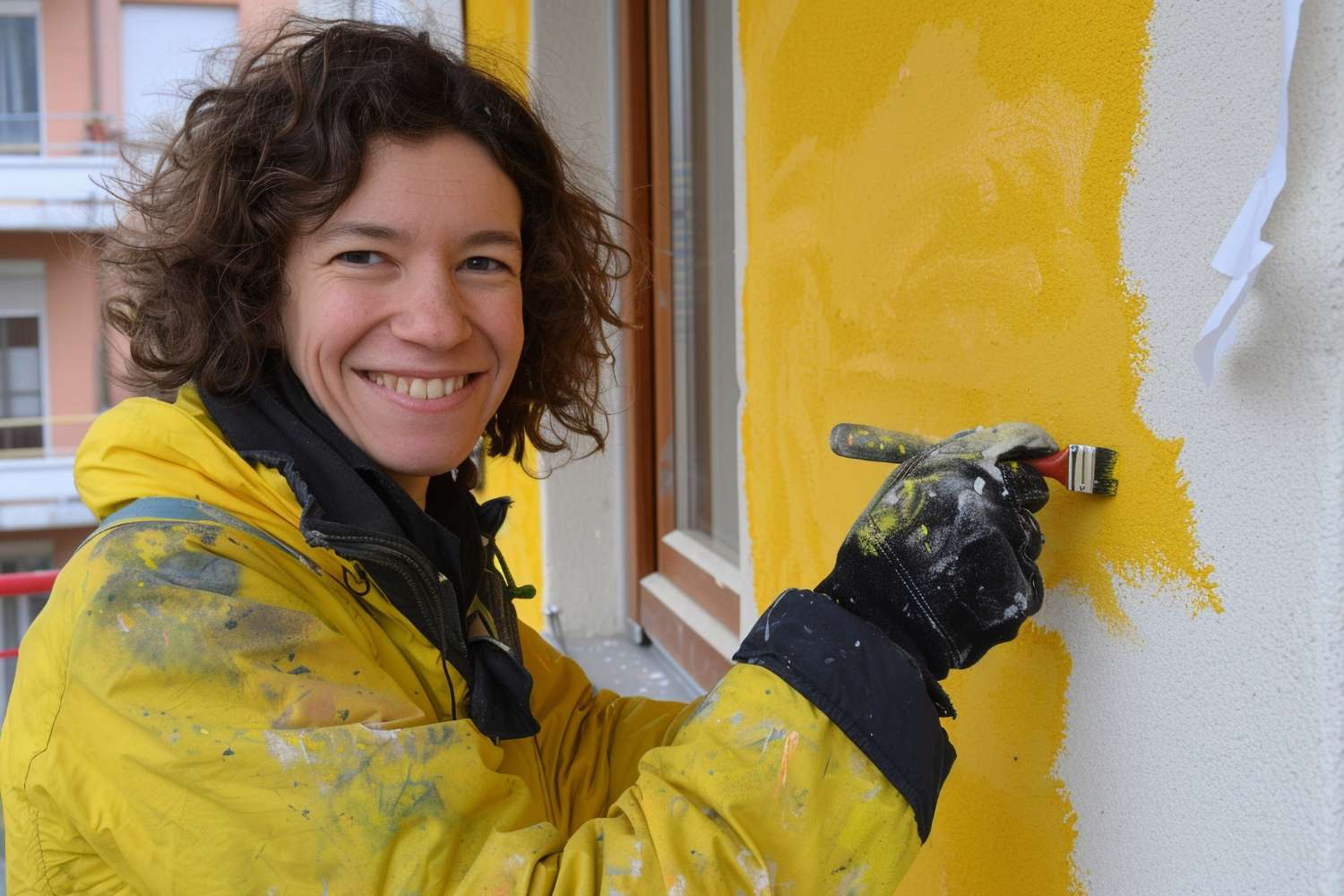
Fall can be a smart time to look closely at your home’s exterior before Richmond’s wetter, colder months arrive. A new paint color may brighten the curb appeal, but paint alone cannot solve problems hiding underneath. Peeling areas, cracked caulk, soft trim, and exposed wood can all give moisture a path into places it does not belong.
At Fix & Paint, we help Richmond homeowners look beyond the surface. Our licensed, insured crews combine carpentry repairs, careful surface preparation, and exterior painting so the finished work is built around protection as well as appearance.
Surface Preparation Determines Lasting Results
Exterior paint needs a clean, dry, sound surface to hold up well. When loose paint, chalky residue, mildew, dirt, or moisture remain on a wall or trim board, fresh paint may not bond as it should. The result can be bubbling, cracking, or peeling long before you expected it.
Before painting begins, we evaluate the condition of the surfaces and address what could affect the new finish. A proper preparation process may include:
- Washing dirt, residue, and mildew from exterior surfaces
- Scraping loose or failing paint
- Sanding rough edges for a smoother transition
- Caulking gaps around trim, siding, and exterior features
- Priming bare or repaired wood before applying finish coats
Preparation also gives us a chance to find concerns that may not be obvious from the ground. Failing caulk around windows, worn fascia boards, damaged trim, and small areas of rot can be easy to miss until old paint is removed. Covering those issues with a new coat may improve the look for a while, but it does not address the reason the paint failed.
Autumn weather in Richmond can provide workable painting days, yet conditions still matter. Morning dew, rain, cool evenings, and shifting temperatures affect how surfaces dry and how coatings cure. We plan work around those conditions rather than treating every fall day as the same.
Repair Damaged Wood Before Moisture Spreads
Wood trim and other exterior features work hard all year. They face rain, sun, humidity, and changing temperatures. Once paint or caulk fails, moisture can reach the wood and begin breaking it down. What starts as a small crack or soft spot may spread beyond the area you can see.
During an exterior review, we recommend paying close attention to places such as:
- Window trim and door frames
- Soffits and fascia near gutters
- Porch columns, railings, and steps
- Siding seams and exposed boards
- Exterior doors and surrounding trim
Signs of trouble can include splitting boards, dark stains, recurring paint failure, gaps at joints, or wood that feels soft when examined. Paint cannot restore damaged wood or make a weakened board sound again. It can hide the issue temporarily, while moisture continues moving through the compromised material.
Because our work includes residential carpentry and painting, we can handle repairs as part of a coordinated exterior project. That may mean repairing or replacing damaged wood, preparing the new surface, applying primer where needed, and painting the repaired area so it blends with the rest of the home. Keeping those steps connected helps avoid the common problem of repairing trim now and trying to paint it separately later.
Choose Paint Systems for Fall Conditions
A successful exterior project is about more than selecting a color. Different materials need different coatings, and the existing condition of the surface matters just as much as the finish color. Wood trim, siding, doors, railings, and porch components may require different preparation and product choices.
Quality primers can help seal bare or repaired wood and create a better base for paint. Durable topcoats are selected to help protect surfaces from moisture, sunlight, and the natural expansion and contraction that comes with changing seasons. Caulk also matters because gaps around trim and joints can allow water behind painted surfaces.
Licensed professional exterior painters should consider the full paint system, including the surface, primer, topcoat, and application conditions. We also watch the forecast carefully. Rain can delay work, while damp surfaces and evening dew can affect drying time. Cooler overnight temperatures may limit when certain products can be applied safely.
Rushing because the calendar says fall is almost over can lead to poor results. It is better to use suitable weather windows and allow coatings the time they need to dry and cure correctly. A well-planned project gives your exterior a stronger chance of making it through winter in good shape.
Plan Repairs Around Autumn Priorities
Not every exterior concern has the same urgency. Before winter, we recommend focusing first on spots where water is most likely to enter or collect. Trim around windows and doors, fascia near gutters, porch posts, railings, siding joints, and areas with repeated peeling deserve close attention.
Combining repairs and painting can make the process simpler. Instead of coordinating separate crews for carpentry and painting, you can have one team assess the issue, repair damaged materials, prepare the surfaces, and complete the finish work in the right order. That approach helps prevent a new paint job from being applied over a problem that should have been repaired first.
When comparing licensed professional exterior painters, it helps to ask clear questions about the work ahead. Consider asking:
- Are the crews licensed and insured?
- How do they handle soft wood, damaged trim, or rot?
- What preparation steps are included before painting?
- How are rain delays and temperature changes managed?
- Which primers, caulks, and coatings fit the home’s surfaces?
Clear answers can tell you whether a company is focused only on appearance or is prepared to address the condition of the exterior itself. At Fix & Paint, we approach painting as one part of a larger repair and protection plan.
Give Your Home a Stronger Start to Winter
A fall walk around your property can reveal the issues that deserve attention before winter moisture and temperature swings arrive. Note peeling paint, cracked caulk, damaged trim, soft wood, exposed nail heads, and places where water may be getting behind siding or around openings.
Small exterior concerns are often easier to address before they have another season to worsen. Sound repairs, careful preparation, suitable products, and proper application conditions can help your home hold onto its clean appearance while protecting the materials beneath the paint.
Protect Your Exterior With Expert Care
At Fix & Paint, we help homeowners plan exterior work with attention to the details that support lasting results. Work with licensed professional exterior painters who can assess your surfaces and recommend the right next steps. To discuss your project, contact us for a consultation.