
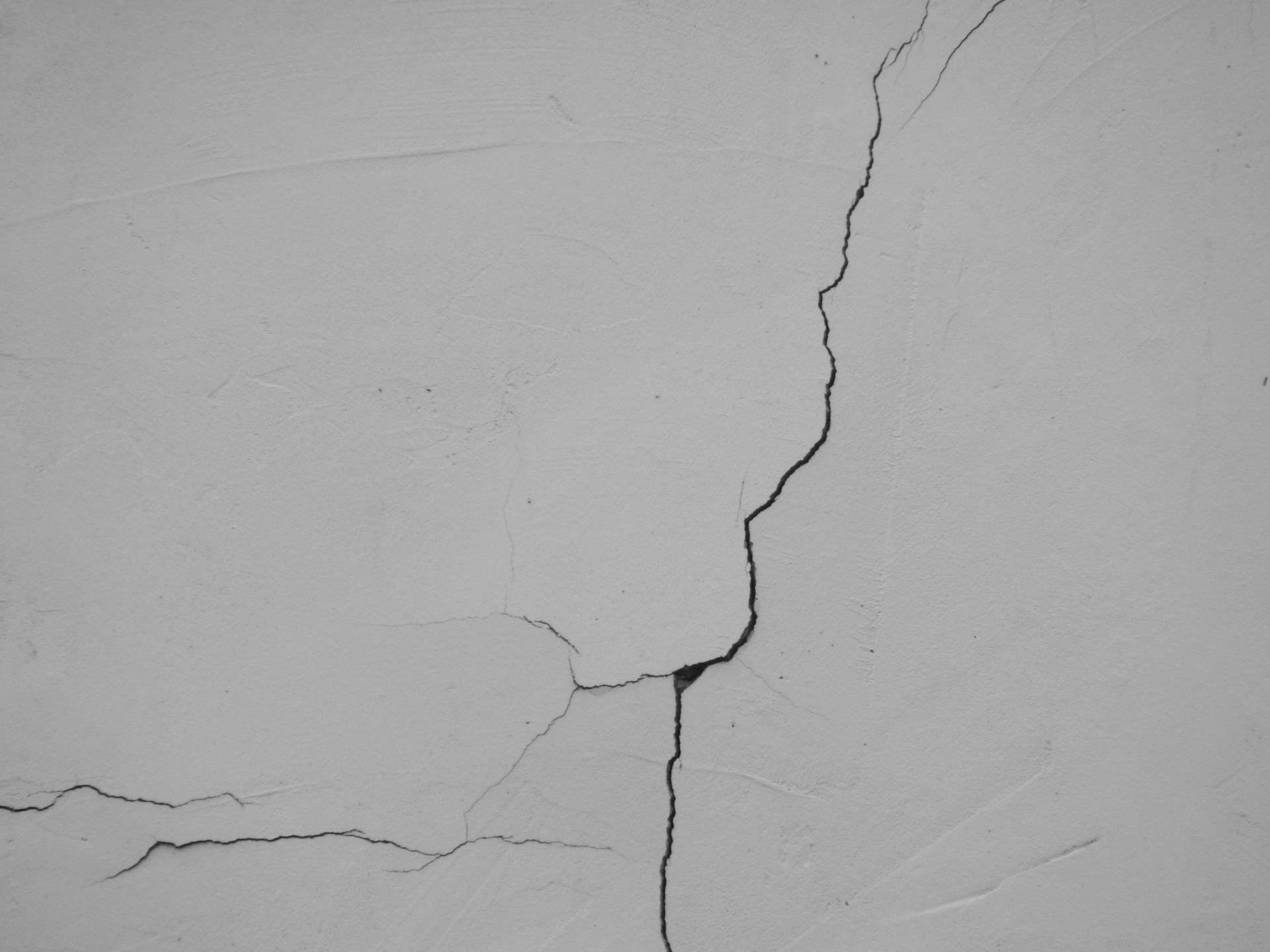
Stop Small Drywall Cracks Before They Become Bigger Repairs
Drywall cracks often stand out more in fall, after Richmond-area homes have spent months dealing with summer heat, humidity, and air conditioning. A thin line near a doorway may be harmless, but a crack that keeps returning or appears with stains, peeling paint, or soft drywall deserves a closer look.
In many cases, these marks come from normal seasonal movement. Still, cracks can also point to moisture intrusion, weakened seams, settling, or damage behind the wall. Addressing concerns before winter heating cycles and end-of-year gatherings gives you time to correct the cause instead of simply covering the symptom.
A thorough repair should consider both the finished surface and nearby conditions that may affect it, including drywall damage, wood rot, siding damage, and carpentry issues. Looking at the full area helps ensure the repair makes sense for your home.
How Summer Humidity Creates Drywall Cracks
Virginia summers can put many materials in your home through a lot of change. Warm, humid air outdoors and cooler, air-conditioned rooms indoors can create shifting moisture conditions around walls, ceilings, trim, and framing.
Wood framing and trim can take on moisture and expand. Drywall, joint compound, and paint respond differently. As humidity drops in early fall, those materials may contract at different rates, leaving stress marks at seams and other weak points.
We commonly see humidity-related cracks in places such as:
- Ceiling-to-wall joints
- Inside corners and outside corners
- Above doors and windows
- Long drywall seams
- Areas with nail pops or loose fasteners
A crack may be the only visible sign of movement, but it is worth looking at the surrounding surface too. Bubbling paint, peeling paint, or discoloration can mean moisture has affected the wall. A musty odor, a soft spot, or repeated cracking in the same place may point to a roof leak, plumbing problem, siding issue, or poor ventilation. Those conditions should be corrected before a cosmetic repair begins.
Separate Cosmetic Cracks From Structural Warnings
Not every drywall crack means something serious is happening to your home. Fine hairline cracks in joint compound, small cracks near doors, and an occasional nail pop can develop as a house settles and materials respond to changing indoor humidity. These issues are often cosmetic, especially when they remain small and do not spread.
Even so, we recommend paying attention to changes over time. Take a clear photo when you first notice a crack, then compare it later. A crack that grows, opens wider, or returns after previous repairs calls for an experienced assessment.
Signs that deserve closer attention include:
- Cracks wider than a hairline
- Diagonal cracks coming from window or door corners
- Cracks that travel across both a wall and ceiling
- Doors that begin sticking or no longer close as they once did
- Gaps opening between trim and the wall
Nearby moisture and exterior damage also matter. Water stains, sagging drywall, rotted trim, cracked caulk, and damaged siding can all suggest that the finished wall is not the only concern. Rather than treating the crack as an isolated problem, we inspect the nearby materials and help identify whether an exterior or moisture-related repair should come first.
Choose Drywall Repair in Glen Allen, VA Before Winter
Fall is a practical time to address visible wall and ceiling damage. By October and November, summer humidity has eased, and the effects of seasonal movement are often easier to spot. Repairing cracks before winter can help you restore a clean appearance before indoor heating brings another round of material changes.
Professional drywall repair in Glen Allen, VA is not just about applying compound over a line in the wall. If a leak, damaged exterior trim, wood rot, or failing siding contributed to the damage, we address that issue before finishing the interior surface. Fresh paint cannot stop moisture from returning, and new joint compound will not hold up well if the material behind it remains damaged.
Once the cause is addressed, the repair process generally includes protecting the work area, removing loose material, and reinforcing damaged seams when needed. We then build up compound in smooth layers, sand the surface for an even finish, prime the repaired area, and apply paint that blends with the surrounding wall or ceiling.
Professional Repairs Create a Seamless, Lasting Finish
Small patch kits may seem tempting, but they do not always solve larger or recurring cracks. Long seams, ceiling cracks, textured walls, and areas affected by moisture need more than a quick surface patch. If compound is not feathered smoothly, the repaired area can catch light differently and become more noticeable than the original crack.
Matching paint can be equally challenging. A wall may look one color in daylight and another under lamps at night. Professional preparation and painting help repaired sections blend into the surrounding finish, rather than leaving a dull patch, uneven sheen, or visible edge.
Cracks near windows, doors, and trim may require carpentry knowledge as well as drywall skill. When conditions call for it, we can coordinate drywall repairs with trim repair, wood rot repair, siding repair, and professional painting. That complete approach helps ensure the visible finish is supported by sound materials beneath it.
Schedule a Fall Assessment Before Small Cracks Spread
Keep an eye on cracks as the weather changes. Note when they appeared, whether they widen, and whether new staining, paint failure, or softness develops nearby. These details can help distinguish ordinary seasonal movement from damage that needs more attention.
Before winter weather and indoor heating place added stress on walls and trim, it is wise to have recurring or concerning cracks evaluated. Taking care of the underlying issue first gives repairs a better chance of staying smooth, stable, and nearly invisible over time.
Keep Your Walls Looking Smooth Longer
Fix & Paint can identify the right repair approach for cracks that need more than a surface touch-up. Our drywall repair in Glen Allen, VA helps restore a clean, even finish to walls and trim. If you are ready to discuss your home’s needs, contact us to schedule an evaluation.