
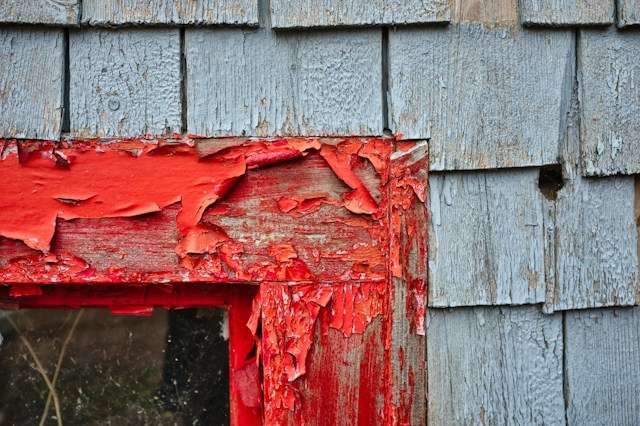
Late summer is a smart time to look closely at exterior trim before fall rain, cooler days, and fallen leaves make small trouble spots easier to miss. In Richmond, trim around windows, doors, soffits, fascia, and porch columns faces long stretches of heat, humidity, thunderstorms, and sunlight.
Painted wood can look mostly fine from the sidewalk while moisture is already working behind a cracked caulk line or an open joint. We recommend paying attention now, before a minor defect grows into a larger repair that affects both your home’s appearance and the wood beneath its finish.
Protect Your Home Before Fall Moisture Arrives
Exterior trim does more than add a finished look. It helps close gaps around important parts of your home, including windows, doors, roof edges, and porch features. When paint, caulk, or wood begins to fail, water can settle into places where it does not belong.
Late-summer sun can make certain warning signs easier to see, especially on walls that receive direct afternoon light. Paint may pull away from the wood, boards may swell, and old repairs may become more noticeable after repeated summer storms.
We often suggest looking carefully at areas that receive the most water or stay damp the longest, including:
- Bottom corners of window trim
- Exterior door casings near the threshold
- Fascia boards along rooflines
- Porch columns and decorative ledges
- Horizontal window sills and trim caps
A fresh coat of paint cannot solve every issue. If decay has started below the surface, painting alone may hide the problem briefly while moisture continues to damage the board.
When Professional Wood Rot Repair Protects Your Trim
Soft, spongy, or crumbling wood is one of the clearest signs that you need professional wood rot repair. Dark staining, splitting grain, and trim that looks swollen or uneven can also point to moisture damage.
You do not need to dig into suspect wood or pull at loose boards. A careful visual check is enough to identify areas worth having assessed. If a section near a window corner, door frame, porch post, or fascia board appears soft or damaged, we recommend having it examined before more water reaches the surrounding materials.
The visible damage is not always the full story. Water can travel behind trim, siding, and paint layers, so the spot you see from outside may be smaller than the area that needs attention. During a professional repair, we look beyond the failed surface to determine whether nearby boards, joints, or backing materials have also been affected.
Sound repair work means removing compromised material instead of covering it with filler alone. Properly prepared replacement components can be fitted tightly against surrounding surfaces, helping preserve clean lines and reduce places where water can enter. For homes with detailed millwork, custom carpentry can also recreate existing trim profiles so the repair blends with the original design.
Watch for Paint Failure Around Vulnerable Edges
Peeling, bubbling, blistering, and cracking paint often mean more than ordinary wear. Late-summer heat can make paint failure stand out because exterior surfaces expand and contract through the day. When moisture is trapped beneath the coating, the paint may lose its grip on the wood.
Not every faded area means the wood is rotting. Sun exposure can dull paint over time, and an otherwise sound board may simply be ready for normal repainting. Repeated paint failure in the same location, however, deserves a closer look.
Pay attention when you notice:
- Peeling that returns soon after prior painting
- Dark marks near seams, joints, or nail holes
- Cracks where caulk has pulled away from the trim
- Swollen boards or grain that has begun to split
- Paint bubbles around sills, ledges, or lower door trim
Horizontal surfaces are especially vulnerable because they hold water longer after a storm. Window sills, decorative ledges, and trim at the bottom of door frames can collect moisture while vertical boards dry more quickly. Overflow from gutters or water splashing back from the ground can make the problem worse.
When we repair and paint exterior trim, each stage matters. Damaged wood must be addressed first, followed by proper preparation, priming, caulking, and finish painting. This coordinated process creates a stronger finish than simply scraping loose paint and coating over an unstable surface.
Why Caulk and Paint Cannot Stop Hidden Decay
Caulk and paint are protective layers, not structural repairs. Both perform best when they are applied over dry, sound, well-prepared materials. If the wood underneath has already lost its strength, a heavy layer of caulk or patching compound will not bring it back.
Temporary fixes can make a damaged area look acceptable for a short time. Filling deep rot, painting over soft wood, or applying thick patch material to a failing board may cover the evidence while moisture remains behind the repair. Eventually, the surface can crack, separate, or peel again.
Professional wood rot repair involves removing deteriorated sections, checking nearby materials, and installing sound replacement pieces before painting begins. Just as important, the source of moisture should be addressed. Failed caulk, leaking gutters, poor drainage, and gaps around windows can all allow rot to return if they are left unresolved.
Trim details have a large effect on a high-end home’s appearance. They frame windows, define rooflines, and give porches and entryways their finished character. Poorly matched patchwork, uneven boards, and visible seams can stand out quickly, even when the surrounding paint is new.
Plan Repairs Before Leaves and Rain Hide the Problem
Fall leaves can collect around gutters, landscaping, porch bases, and roof edges, making moisture problems harder to spot. Late summer gives us clearer access to trim, siding, gutters, and the ground around the home, which can make an exterior assessment more efficient.
Recent storms can also reveal clues about water management. Look for gutter overflow, splashback near porch columns, standing water near the foundation, or staining around windows and doors. These conditions may not always cause rot on their own, but they can create the damp conditions that allow wood damage to spread.
Repair work takes time to complete correctly. Wood replacement, drying, priming, caulking, and finish painting each play a part in a lasting result. Addressing concerns before wetter weather arrives gives the repair and paint process room to be completed with care instead of rushed between poor weather conditions.
If you notice soft wood, recurring peeling paint, open joints, dark stains, or moisture around windows and doors, early attention can help preserve original trim details and limit future damage. A sound, properly prepared surface gives exterior paint the foundation it needs to stand up better through changing seasons.
Protect Your Trim Before Damage Spreads
Fix & Paint can assess deteriorated exterior trim and recommend the right approach for lasting results. Our professional wood rot repair services address damaged areas while helping preserve the character of your home. To discuss your repair needs, contact us for an evaluation.