
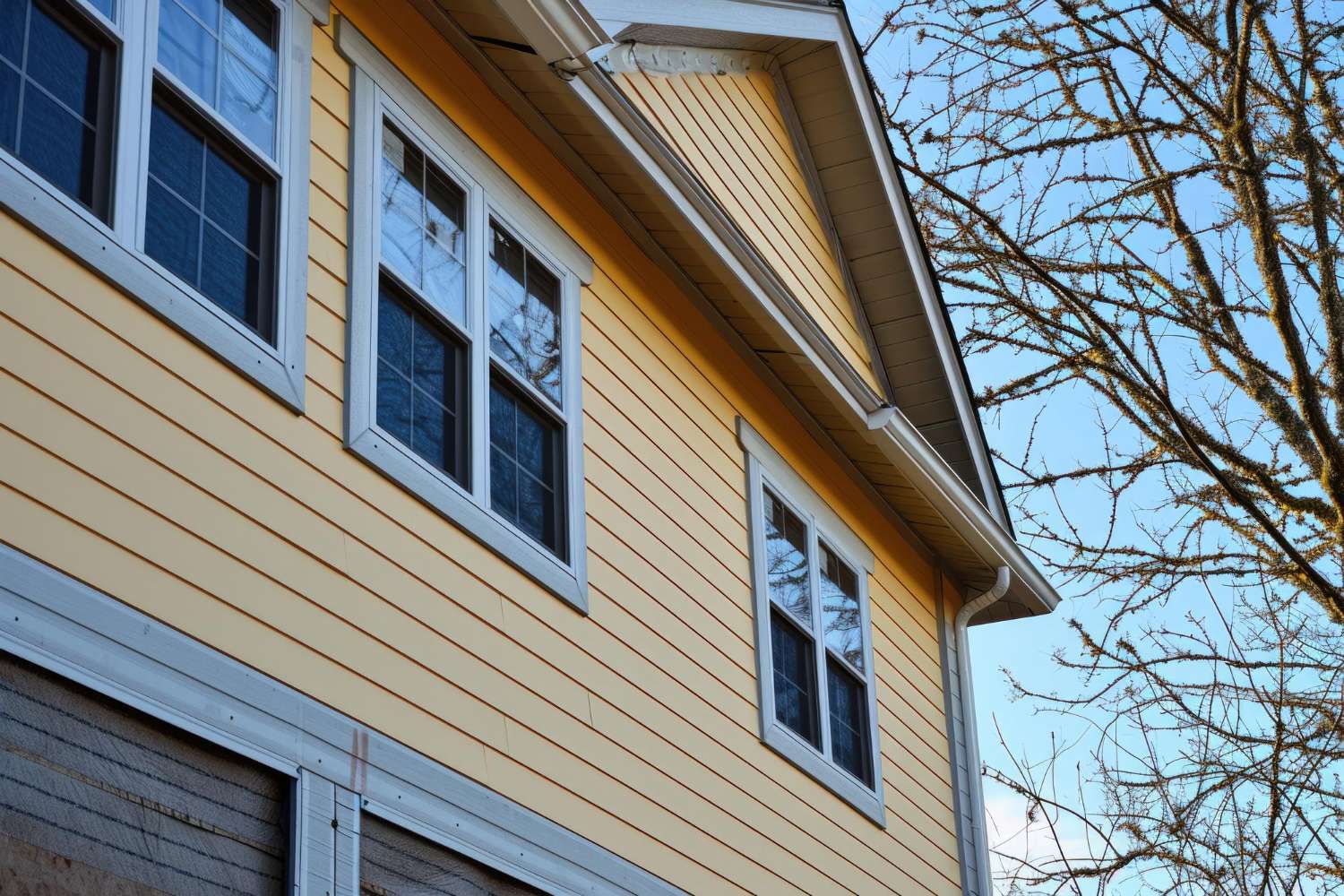
Fresh exterior paint can give your home a cleaner, sharper look, but paint cannot fix siding that is loose, rotted, cracked, or holding moisture. Before any color goes on, we look at the condition of the surfaces underneath it.
A repair-first plan gives exterior siding repair and painting the right order. At Fix & Paint, we help Richmond-area homeowners address damaged wood, siding concerns, and failed caulk before preparing the surface for a lasting painted finish.
Repair First for a Finish That Lasts
Paint works best when it is applied to a dry, stable, well-prepared surface. If damaged siding is simply covered with a new coat, the underlying problem can continue to grow behind the paint. That often leads to peeling, bubbling, uneven boards, and another painting project sooner than expected.
Our approach begins with the repairs that support the finish. By correcting loose boards, replacing deteriorated wood, and sealing openings where moisture can enter, we create a smoother surface for primer and paint. The result is not just a better-looking exterior. It is a surface that is better prepared to stand up to changing weather.
A repair-first process can help prevent common concerns such as:
- Peeling paint caused by weak or damp wood
- Visible cracks and rough patches beneath fresh paint
- Moisture getting behind siding or trim
- Repeated repainting of the same troubled areas
How Exterior Siding Repair and Painting Work Together
A quality project starts with a full look at the exterior, not a quick glance at the most faded wall. We inspect siding, trim, fascia, corner boards, caulk lines, and the areas around windows and doors. Soft wood, dark stains, loose boards, cracked caulk, and peeling paint can all point to a problem that needs attention before painting begins.
Once we find damaged materials, we determine whether the affected area can be repaired or needs replacement. Deteriorated wood may need to be removed, loose siding may need to be secured, and damaged trim may need to be restored. Covering unstable materials with paint does not make them sound. Repairing them first gives the coating a firm surface to hold onto.
After the carpentry work is complete, preparation becomes the focus. We clean the exterior, allow surfaces to dry, scrape loose paint, sand rough transitions, prime exposed wood, and seal gaps with appropriate caulk. Each step matters because a painted surface is only as dependable as the work beneath it.
Richmond weather can bring heat, humidity, rain, and seasonal temperature changes. Careful preparation helps paint adhere more evenly while helping repaired areas blend into the rest of the exterior.
Paint Cannot Hide Damage Beneath Your Siding
Sometimes an aging paint job is simply due for renewal. Other times, paint problems are warning signs that something beneath the surface needs repair. We often see recurring peeling or blistering where moisture has reached the wood, or where siding has shifted enough to break the paint film and caulk seal.
Keep an eye out for signs like these:
- Paint that peels again soon after being repainted
- Boards that look warped, split, or uneven
- Soft spots in wood trim or siding
- Cracked, missing, or pulling caulk
- Dark discoloration, water marks, or exposed nail heads
Painting over wet, rotted, or unstable siding can waste the effort put into a fresh finish. Moisture may remain trapped behind the new coating, allowing decay to continue where it is harder to see. As the material moves or breaks down, the paint on top can crack, bubble, or pull away.
Correcting the cause before the finish coats are applied restores more than appearance. Sound repairs help support the home’s weather barrier, straighten the look of exterior surfaces, and provide a better foundation for paint. Because we handle both carpentry repairs and painting, we can keep those stages connected instead of treating them as separate problems.
Use Late Summer to Prepare for Fall Weather
Late summer is a useful time to take a close look at the outside of your home. Summer heat, humidity, heavy rain, and thunderstorms can reveal trouble around siding joints, window trim, and caulk lines. A board that looked fine earlier in the season may now show peeling paint, swelling, discoloration, or softness.
Exterior repairs and painting should not be rushed into one quick visit after damage is discovered. Replacement materials may need proper preparation, repaired wood needs to be dry, and paint needs suitable conditions for application. Giving each stage the time it needs helps avoid locking moisture or unfinished repairs under a new coating.
Fall weather can make exterior work more challenging as leaves collect around the home, rain becomes more frequent, and temperatures begin to shift. Addressing exposed wood, loose boards, and open joints before then can help your exterior go into the wetter season in better condition.
Protect Your Exterior Before Fall Arrives
Faded paint is easy to notice, but the siding beneath it deserves just as much attention. Before repainting, look for loose boards, failed caulk, soft wood, stains, and areas where paint has repeatedly failed. These details often tell you whether the surface needs more than a color update.
When repairs come before painting, the finished exterior has a cleaner look and a stronger layer of protection. Taking care of damaged materials, allowing surfaces to dry, and preparing every transition carefully helps prevent small exterior issues from becoming larger disruptions later.
Protect Your Exterior With a Coordinated Plan
At Fix & Paint, we help homeowners coordinate exterior siding repair and painting for a durable, polished result. Our team can assess the condition of your siding and recommend the right next steps for your property. When you are ready to discuss your project, contact us to get started.