
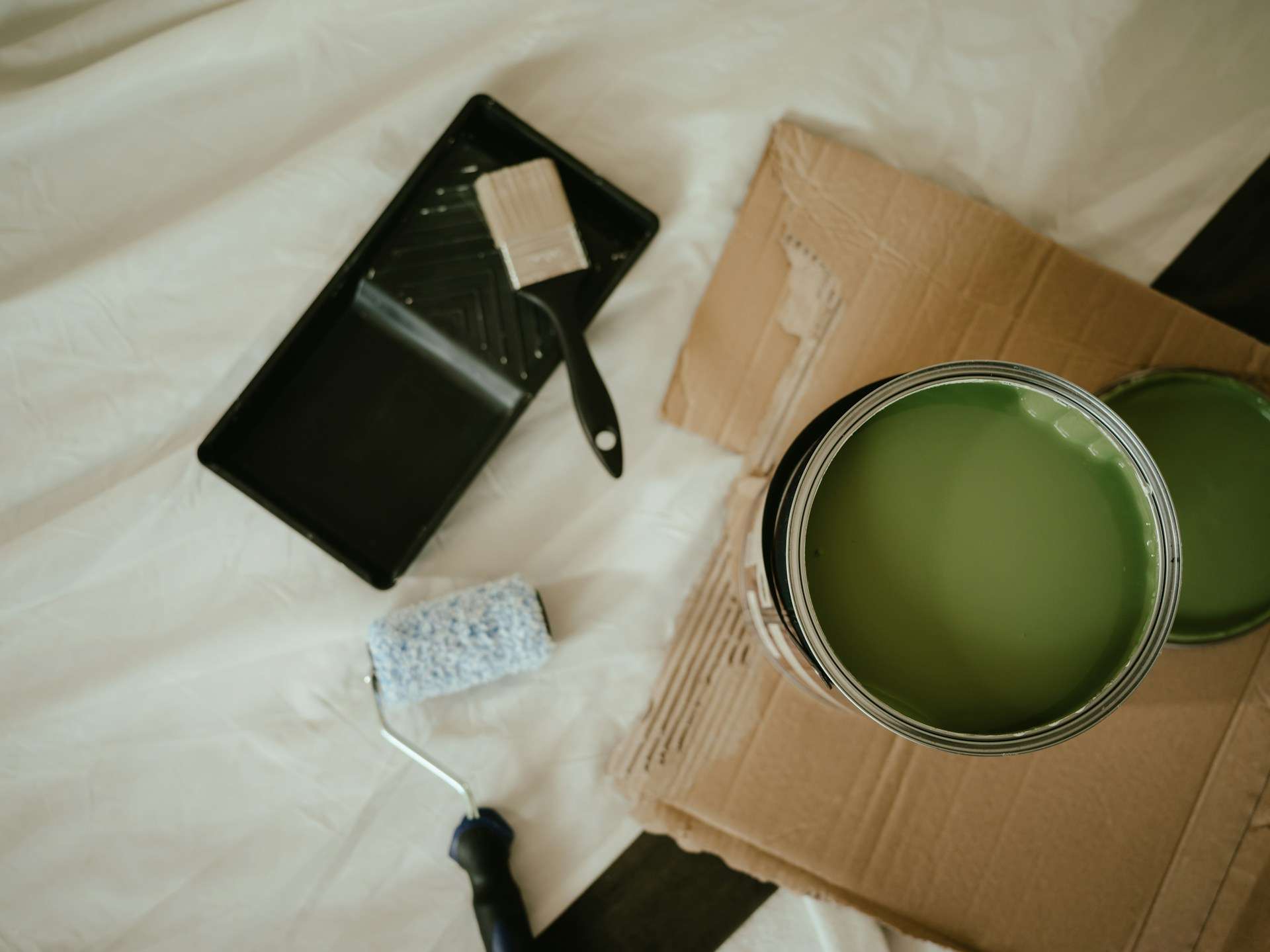
Interior painting can make your home feel warmer, calmer, and more connected before winter settles into Richmond. When we plan color across adjoining rooms instead of treating each space as a separate project, the result feels polished without being overly matched. A thoughtful palette also helps gathering spaces, hallways, and guest areas feel ready for the months when you spend more time indoors.
Color flow is the way wall, trim, and door colors move from room to room without abrupt changes. We find it especially helpful in open layouts, homes with long halls, and older houses where each room has its own character. With the right plan, repairs, and application, your interior update can feel complete well before holiday schedules become crowded.
Start with a Whole-Home Color Plan
Choosing one paint color at a time can lead to rooms that look good on their own but clash when viewed together. Instead, we recommend beginning with the rooms you see most often, such as the entryway, living room, kitchen, or main hallway. These areas can guide the rest of the palette.
A balanced plan usually includes one main neutral, a few supporting shades, and one or two deeper colors for rooms that need more personality. The goal is not to make every wall the same. It is to make each choice feel like it belongs in the same home.
Compatible undertones matter just as much as the color name on the paint sample. For example, a warm white may work beautifully beside an earthy beige or soft greige, while a cool gray next to a creamy tan can create a sharper contrast than expected. Muted greens, deep blues, and warm neutral shades can all feel inviting in fall and winter when their undertones work together.
When we help you narrow down a palette, we look at details already in the home, including:
- Flooring, cabinetry, countertops, and tile
- Upholstered furniture, rugs, and window treatments
- Natural light in each room
- Fireplaces, built-ins, and other architectural features
Professional interior painting services can help you make these decisions before paint goes on several walls. That planning helps prevent mismatched colors and gives the finished home a more intentional feel.
Prepare Walls, Trim, and Details for a Smooth Finish
Even the best color plan can lose its impact when wall surfaces are uneven or damaged. Drywall cracks, nail holes, peeling paint, and old patches can stand out after a fresh coat is applied. A new color may even draw more attention to flaws that were easy to overlook before.
Preparation is where we spend the time needed to make colors look consistent from room to room. Older Richmond homes often need added care around settled cracks, past repairs, corners, and high-traffic areas. Before painting, we address the surface itself so the final finish looks clean in both daylight and evening lighting.
Trim also deserves a place in the plan. Baseboards, doors, window frames, crown molding, and casings create borders around wall colors. When those details are worn, chipped, or yellowed, they can make newly painted walls feel unfinished.
A complete preparation process may include:
- Drywall repair and patching
- Sanding rough or uneven areas
- Caulking gaps around trim and woodwork
- Priming repaired spots and surfaces that need better coverage
- Choosing finishes that fit walls, doors, and trim
Consistent preparation allows the paint to perform as one connected design instead of a collection of separate room updates.
Let Light Guide Color Transitions
Paint does not look exactly the same in every room. A soft neutral that feels warm in a sunny living room may seem darker in a hallway or cooler in a north-facing bedroom. Artificial lighting can change the effect again after sunset, which is especially important as winter days become shorter.
For that reason, we recommend reviewing color samples in the specific rooms where they will be used. Seeing a shade near existing flooring, trim, and furnishings can reveal whether it supports the feeling you want. This step is particularly useful when a room has limited windows or a different type of lighting than the space beside it.
Connected rooms do not need identical wall colors to feel unified. Smooth transitions can come from lighter and darker versions of one color family, coordinated neutrals, or a shared accent color. Hallways, staircases, and entryways often work well as visual bridges between rooms with more distinct looks.
Use Trim and Carpentry as Common Threads
A consistent trim color can quietly tie an entire home together. Soft white, cream, or a neutral painted finish can create a reliable frame around changing wall colors. Coordinated doors and ceilings can also make transitions feel purposeful rather than random.
In homes with custom carpentry, built-ins, decorative molding, or detailed millwork, paint can help those features stand out without taking over the room. We consider how the wall color, trim shade, and sheen level will work together. A high contrast may suit one home, while a softer transition may better match another home’s style.
Door colors can provide another layer of connection. Keeping them consistent through a main level, for example, can make rooms with different wall colors still feel related. The same is true for baseboards and crown molding. These repeated elements give the eye a familiar place to land as you move through the home.
Complete Interior Updates Before Winter
Early fall is a practical time to complete interior painting before busy holiday calendars and seasonal decorating begin. Refreshing gathering areas, dining rooms, entryways, and guest spaces can make the home feel more comfortable for everyday life as well as visitors.
Professional interior painting services bring the preparation, repair, priming, painting, and cleanup into one organized process. We can also coordinate work across connected rooms so transitions stay consistent and disruptions are kept manageable. Clean lines, even coverage, and well-finished trim all support the sense that the home was planned as a whole.
Before winter arrives, it is worth looking beyond one room at a time. Consider how your walls, doors, trim, and architectural details connect from the front entry to the spaces where your family gathers. A shared palette and properly prepared surfaces can create a home that feels calm, finished, and comfortable throughout the colder months.
Bring Your Interior Vision Together
At Fix & Paint, we help you turn a connected color plan into a polished result with professional interior painting services tailored to your property. Our team can handle the preparation, details, and clean application needed for a lasting finish. When you are ready to discuss your project, contact us for a consultation.